
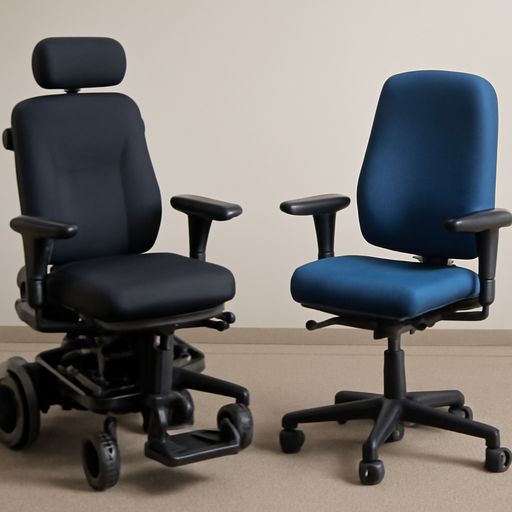

Ergonomic Chairs for Disabled Adults: Comfort, Support, and Inclusive Design
When choosing seating that supports daily living, ergonomic chairs for disabled adults are more than a luxury—they are a foundation for independence, safety, and long-term health. The right chair adapts to body shape, distributes weight evenly, and reduces strain on joints and muscles. This article explores practical considerations, design features, and related topics that help caregivers and individuals select chairs that truly improve quality of life. For those looking to explore options from established providers, you can learn more about specialized seating at Disability Chairs for Adults at Home, and discover broader solutions at Vela.
Why ergonomic chairs for disabled adults matter
Disability often affects posture, circulation, and mobility, making ordinary furniture uncomfortable or even risky. An ergonomic chair for disabled adults is designed with supportive lumbar regions, adjustable seat depth, armrests, backrest recline, and tilt mechanisms that can be customized to the user’s needs. The goal is to create a seating experience that minimizes pressure points, stabilizes the pelvis, and aligns the spine. When seating supports proper alignment, tasks such as reading, writing, feeding, dressing, and grooming become easier and safer.
Key features to look for
- Adjustable seat height and depth to accommodate leg length and thigh comfort.
- Contoured lumbar support that remains comfortable for extended periods.
- Armrests that can move, pivot, or swing away to aid transfers in and out of the chair.
- Recline and tilt with stops to manage pressure distribution and relaxation without compromising safety.
- Sturdy base with locking wheels or glides to provide stability on various floor surfaces.
- Pressure-relief materials and breathable fabrics to reduce heat and moisture buildup.
Choosing the right size and shape
Disability affects bodies in unique ways, so there is no one-size-fits-all solution. Start with precise measurements: hip width, thigh length, knee clearance, and the distance from the chair back to the user’s head. A chair that is too tall or too short can create awkward postures and fatigue. Some users benefit from seats with a slight waterfall edge to reduce pressure on the thighs, while others require extra-wide seating to accommodate orthopedic devices or assistive devices.
Materials and comfort
The interior padding should balance softness with support. Memory foam, high-density foam, or gel-infused cushions can provide lasting comfort without losing shape. Outer fabrics should be breathable and easy to clean, with options for anti-microbial finishes in healthcare or home-care settings. A chair that remains comfortable through long work or caregiving sessions supports endurance and reduces the likelihood of posture-related pain.
Mobility, transfers, and accessibility
For many disabled adults, the ability to transfer safely from chair to bed, sofa, or wheelchair is essential. Look for chairs with:
- Transfer-friendly heights and space around the seat to accommodate assistive devices.
- Armrests that assist rising without obstructing the transfer path.
- Swivel and rotate features to facilitate easier egress when transfer aids are limited.
- Removable or foldable components that simplify cleaning and customization.
Electric and manual options
Some users benefit from powered adjustments to reduce strain during setup and daily use. Ergonomic chairs for disabled adults with electric recline, lift functions, or height adjustment allow the user or caregiver to modify seating without adopting awkward postures. Manual chairs offer reliability, lower maintenance, and a straightforward mechanism that can be preferable in certain environments. The best choice often depends on the user’s mobility level, caregiver availability, and budget.
Choosing for different environments
Home offices, living rooms, and bedrooms each pose different demands. In a home office, consider a chair with a deep backrest for upper back support and adjustable armrests to fit under a desk. In a living room, a chair with a softer recline and a supportive headrest may be ideal for relaxation and social interaction. In bedrooms, a chair that enables comfortable morning routines—dressing, brushing teeth, and getting ready for the day—offers much-needed autonomy.
Maintenance, safety, and care
Durable materials and robust construction reduce the need for frequent replacements. Check for:
- Sturdy frames made from steel or reinforced aluminum
- Simple, tool-free adjustments
- Non-slip feet or braked casters to prevent unintended movement
- Easy-to-clean upholstery and removable covers
Incorporating ergonomic chairs into care plans
An effective seating strategy is part of a broader care plan. Integrate regular movement, posture checks, and ergonomic education for caregivers and users. A chair that supports endorsed posture can be paired with supportive cushions, footrests, or leg elevation devices to create a holistic seating solution. Consider routine evaluations—an ergonomic chair for disabled adults may need recalibration after changes in mobility, weight, or health status.
Case study: a day in the life with the right chair
Maria lives with muscular dystrophy and uses a chair that offers adjustable height, tilt, and armrest positions. The chair supports prolonged desk work, allows for comfortable reading, and makes tasks like dressing more manageable. She reports reduced shoulder tension and greater confidence in performing daily routines. Her experience illustrates how deliberate chair selection can mesh with accessibility goals and create meaningful, daily improvements.
Conclusion: empowering choices through thoughtful design
Ergonomic chairs for disabled adults represent a blend of medical insight, ergonomic science, and human-centered design. By prioritizing adjustable fit, ease of transfer, and durable materials, these chairs become reliable partners in daily life. Whether you are furnishing a home, a clinic, or a community space, selecting seating that honors comfort and independence can transform routines into routines that feel like empowerment.